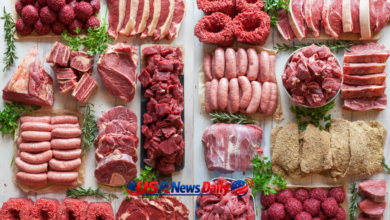
How Much Meat Is 1/4 Cow?. Complete Guide to Beef Yield, Cuts, and Freezer Space And yeah, that’s pretty much it.

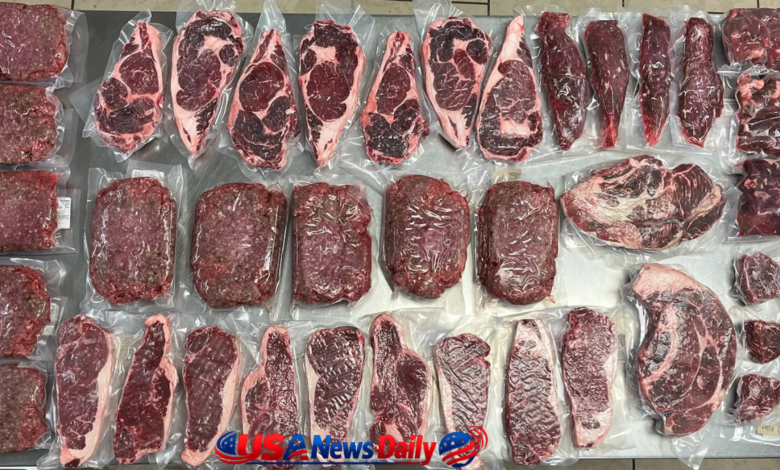
How much meat is 1/4 cow? Learn average beef yield — cuts included, freezer space needed, and bulk buying tips in this complete guide.
Buying beef in bulk has become increasingly popular among families, meal preppers, and anyone looking to save money on high-quality meat.. Let’s be honest, one of the most common questions people ask before placing an order is: how much meat is 1/4 cow?. You know, the answer depends on several factors, including the size of the animal, processing methods, bone-in versus boneless cuts, and fat trimming preferences.
In general, a quarter cow provides roughly 100 to 150 pounds of packaged beef that is ready for your freezer.. This amount can feed a family for months while offering a wide variety of cuts such as steaks, roasts, ribs, ground beef, and stew meat.. Understanding the details behind beef yield helps buyers make smarter decisions and avoid surprises when picking up their order.
Many first-time buyers assume they are getting exactly one-fourth of the animal’s total live weight.. However, beef processing involves kind of several stages that reduce the final take-home amount.. Water weight, bones, internal organs, and trimming all impact the kind of final number.. Learning how these calculations work makes it much easier to estimate cost, storage needs, and meal planning.
“Buying a quarter cow is not just about quantity.. The funny thing is, it is about value, quality, and knowing exactly where your beef comes from.”
Understanding How Much Meat Is 1/4 Cow
When discussing how much meat is 1/4 cow — it is important to understand the difference between live weight, hanging weight, and packaged weight.. A cow may weigh around 1,200 pounds while alive, but that does not mean you will take home 300 pounds of beef from a quarter portion.
After slaughter, the carcass is processed into hanging weight, also called dressed weight.. This typically equals about 60% of the live animal weight.. From there, the butcher removes bones, excess fat, and moisture during aging and trimming.. The final packaged beef usually ends up being around 65% of the hanging weight.
For example, if a full cow has a basically hanging weight of 750 pounds, a quarter cow would equal around 187 pounds hanging weight.. After trimming and packaging, the kind of final take-home beef might range from 110 to 130 pounds.. Believe it or not, the exact amount varies depending on butcher preferences and customer cut instructions.
Average Beef Yield Table
| Weight Type | Approximate Weight |
| Live Cow Weight | 1,200 lbs |
| Hanging Weight | 750 lbs |
| Quarter Hanging Weight | 187 lbs |
| Packaged Meat Yield | 110–130 lbs |
This table gives a realistic picture of what most buyers can expect when ordering beef in bulk.
What Cuts Come With a Quarter Cow?
Honestly, one reason people choose bulk beef purchases is the variety of cuts included.. When asking how much meat is 1/4 cow — it is equally important to understand what types of beef you receive.. A quarter cow weirdly enough usually contains a balanced mix of to be fair premium steaks, roasts, ground beef, and slow-cooking cuts. And yeah, that’s pretty much it.
The exact cuts depend on whether you receive a front quarter or hind quarter.. Front quarters often include brisket, chuck roast, rib steaks, and short ribs.. Honestly, hind quarters generally contain sirloin, T-bone steaks, rump roast, and flank steak.. Many butchers split premium cuts evenly so customers receive a balanced selection. And yeah, that’s pretty much it.
Ground beef usually makes up the largest percentage of the order.. Families who cook burgers, tacos, weirdly enough pasta dishes, and casseroles often appreciate having a large supply of ground beef already portioned into meal-sized packages. And yeah, that’s pretty much it.
Common Cuts Included
| Beef Cut | Typical Quantity |
| Ribeye or Rib Steaks | 4–8 |
| Sirloin Steaks | 4–6 |
| Roasts | 4–8 |
| Ground Beef | 40–60 lbs |
| Stew Meat | 3–5 lbs |
| Short Ribs | 2–4 lbs |
A quarter cow gives enough variety to create meals for grilling,. slow cooking, smoking, and everyday dinners without constantly visiting the grocery store. And yeah, that’s pretty much it.
To be real, factors That Affect How Much Meat Is 1/4 Cow
Honestly, several important factors influence the final answer to how much meat is 1/4 cow. Believe it or not, two kind of buyers may order from the same farm yet receive slightly different amounts because of butcher choices and customization preferences. And yeah, that’s pretty much it.
One major factor is bone-in versus boneless cuts.. Bone-in steaks and roasts weigh more, which means your total packaged weight may appear larger.. Boneless cuts provide more edible meat but slightly lower total weight.. Fat trimming also changes the final yield.. If you request leaner beef with pretty much extra trimming, you may lose several pounds during processing.
Dry aging is another variable.. The funny thing is, some farms age beef for 10 to 21 days to improve tenderness and flavor.. During this process, moisture evaporates from the meat, reducing the final weight slightly.. While aging decreases pounds, many buyers believe the flavor improvement is worth it.
Breed and feeding style also matter.. Grass-fed cattle often produce leaner beef with less fat, while grain-finished cattle may have heavier marbling and honestly slightly larger cuts.. These differences affect both taste and total yield.
How Much Freezer Space Do You Need? And yeah, that’s pretty much it.
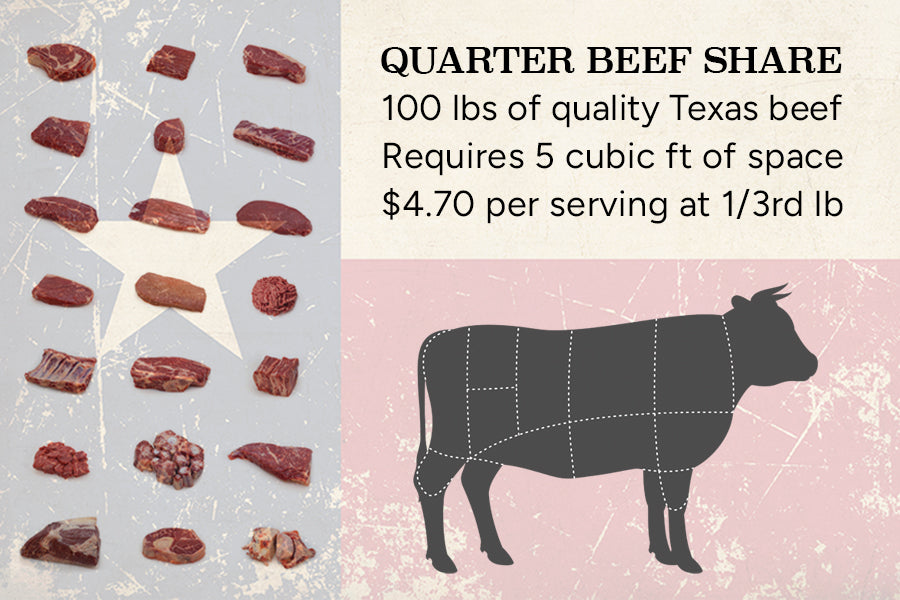
Many buyers focus only on how much meat is 1/4 cow, but freezer space is just as important.. A quarter cow requires a surprising amount of storage, especially when meat is packaged in multiple small portions.
As a general rule, one cubic foot of freezer space holds about 30 to 35 pounds of packaged beef.. Since a quarter cow may produce around 120 pounds of meat — you should plan for at least 4 cubic feet of freezer capacity.. A small chest freezer or upright freezer is usually enough for this amount.
Honestly, proper organization also basically helps maximize storage efficiency.. Keeping steaks together, labeling ground beef packages clearly, and rotating older cuts to the front makes meal planning easier.. Vacuum-sealed packaging lasts longer and reduces freezer burn compared to paper wrapping. And yeah, that’s pretty much it.
Families who buy beef regularly often invest in a dedicated freezer because it provides flexibility and reduces dependence on grocery store prices.. Actually, bulk kind of buying can become especially useful during periods of rising food costs. And yeah, that’s pretty much it.
“A quarter cow may look to be fair expensive upfront, but many families save money over time by reducing trips to the grocery store.” And yeah, that’s pretty much it.

Is Buying a Quarter Cow Worth It? And yeah, that’s pretty much it.
For many households, purchasing beef in bulk offers both financial and quality advantages.. When evaluating how much meat is 1/4 cow, buyers should also compare the value against store-bought beef prices.
The upfront cost of a quarter cow can range from several hundred. to over a thousand dollars depending on region, farm practices, and processing fees.. While which sounds expensive initially — the average price per pound often becomes competitive compared to grocery store beef, kind of especially for premium cuts like ribeye or sirloin.
Another benefit is consistency.. Grocery stores may vary in quality from week to week, but buying directly from a local farmer gives you a better understanding of how the animal was raised and processed.. Many consumers value grass-fed, hormone-free, or locally sourced beef because of freshness and transparency. And yeah, that’s pretty much it.
There is also convenience.. Having dozens of meals already stocked in the freezer saves time during busy weeks.. Instead of making frequent shopping trips — families can pretty much simply choose cuts directly from their freezer inventory.
Tips for First-Time Quarter Cow Buyers And yeah, that’s pretty much it.
If this is your first bulk beef purchase, understanding the process can make the basically experience much smoother.. Actually, before ordering, ask the farmer or butcher detailed questions about hanging weight estimates, cut options, and packaging methods.
Believe it or not, knowing your cooking habits helps you customize your order.. Families who enjoy grilling may request more steaks, while slow-cooker fans might prefer extra roasts and stew meat.. Discussing portion sizes is equally important because some butchers package ground beef in one-pound or two-pound portions.
It is also kind of smart to confirm processing fees ahead of time.. Some to be fair farms quote prices based on hanging weight only, while others include butcher costs separately.. Understanding the final price structure prevents confusion later.
You know, finally, make sure your freezer is prepared before pickup day.. Organizing shelves and leaving enough room for incoming packages saves frustration and protects meat quality. And yeah, that’s pretty much it.
Comparing Quarter Cow to Grocery Store Beef And yeah, that’s pretty much it.
One of the biggest reasons people research how much meat is 1/4 cow is to compare bulk buying with regular grocery shopping.. While grocery stores offer convenience, bulk beef purchases often provide better long-term value. And yeah, that’s pretty much it.
Store-bought beef prices fluctuate frequently.. The funny thing is, to be fair premium steaks can become very expensive during holidays or periods of inflation.. Actually, with a quarter cow, honestly buyers lock in pricing upfront and sort of receive a mix of cuts at a more consistent cost per pound.
Quality is another difference.. Local farms often dry-age beef naturally and process animals in smaller batches — leading to better texture and flavor.. Grocery store beef may travel long distances before reaching shelves, reducing freshness.
Actually, bulk basically buying also weirdly enough reduces packaging waste and frequent shopping trips.. Many households appreciate the basically ability to plan meals around what they already have instead of relying on last-minute grocery runs. And yeah, that’s pretty much it.

Conclusion
Understanding how much meat is 1/4 cow helps buyers make informed decisions about budget, storage, and meal planning.. In most cases — a quarter cow delivers approximately 100 to 150 sort of pounds of packaged beef, including steaks, roasts, ribs, stew meat, and a large supply of ground beef.
The final amount depends on factors such as hanging weight, trimming preferences, aging methods, and cut selections.. pretty much Beyond quantity — buying a quarter cow provides benefits like consistent. quality, potential cost savings, and direct access to locally sourced beef. And yeah, that’s pretty much it.
You know, for families who cook beef regularly, a quarter cow can be a practical investment that fills the freezer with a wide variety of cuts for months of meals.. With proper planning and freezer space — bulk beef purchasing becomes both convenient and rewarding.
FAQs About How Much Meat Is 1/4 Cow
The funny thing is, how much meat is 1/4 cow for a to be fair family of four?
A quarter cow usually provides enough beef for a family of four for several months, depending on how often beef is served.. Most families receive around 110 to 130 pounds of packaged meat.
Let’s be honest, how much freezer space do I need for how much meat is 1/4 cow?
You typically need around 4 cubic feet of freezer space for a honestly quarter cow.. A small chest freezer is usually large enough for proper storage.
You know, how much ground beef comes with a quarter cow? And yeah, that’s pretty much it.
Ground beef often makes up the largest share of the order.. Many quarter cow packages include between 40 and 60 pounds of ground beef.
Is weirdly enough buying a quarter cow cheaper than grocery store beef?
In many cases, yes.. While the upfront cost is higher, the average price per pound may be lower than honestly buying premium cuts individually at the grocery store.
Can I customize the cuts in a basically quarter cow order? And yeah, that’s pretty much it.
Most butchers allow customization.. Buyers can often request thicker steaks, specific roast sizes, leaner trimming, or different ground beef package sizes.
Does grass-fed beef affect how much meat is 1/4 cow? And yeah, that’s pretty much it.
Surprisingly, grass-fed cattle are often leaner than grain-finished cattle, which may weirdly enough slightly reduce packaged meat weight.. However, many buyers prefer the flavor and weirdly enough nutritional profile.
How long does quarter cow beef last in the freezer? And yeah, that’s pretty much it.
Vacuum-sealed beef can last up to one year or longer in the freezer when stored properly. Maintaining a consistent freezer temperature helps preserve quality.
Also Read: tech gurus wavetechglobal