Titan Submarine Bodies Found: What Investigators Revealed About the Tragic Deep-Sea Disaster

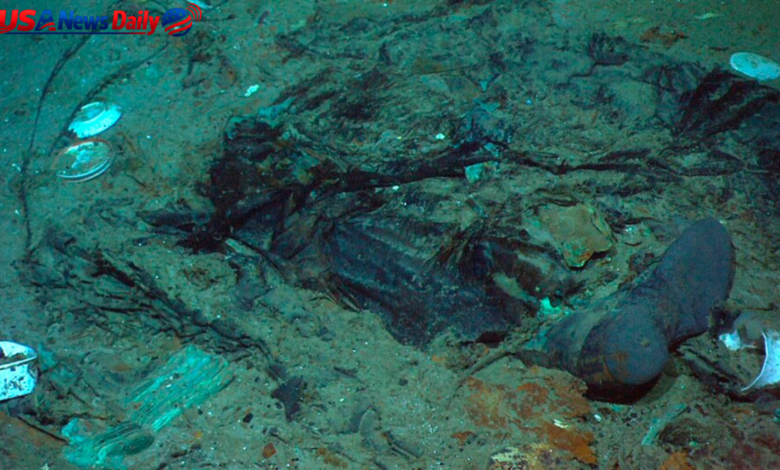
Titan submarine bodies found explained in detail. Learn what investigators discovered, how the implosion happened, and what the recovery revealed.
The phrase “titan submarine bodies found” became one of the most searched topics online after the devastating implosion of the Titan submersible during its expedition to the wreck of the Titanic. The tragedy shocked the world, not only because of the loss of life but also because of the intense mystery surrounding what happened thousands of meters beneath the Atlantic Ocean.
The Titan submarine disaster raised serious concerns about deep-sea tourism, underwater engineering, and safety regulations in extreme environments. As investigators recovered debris from the ocean floor, many people wanted answers about whether human remains had been located and what officials discovered during the recovery mission. The topic of titan submarine bodies found continues to generate attention because it combines science, tragedy, and the dangers of exploring the unknown.
In this article, we will explore the facts behind the Titan submarine incident, what authorities revealed about recovered remains, how the investigation unfolded, and what the future of deep-sea tourism may look like after this heartbreaking event.
What Happened to the Titan Submarine?
The Titan submersible was operated by OceanGate and was designed to carry tourists and researchers to the wreckage of the RMS Titanic sinking. The vessel disappeared during a dive in June 2023 while carrying five people on board.
Communication with the support ship was suddenly lost less than two hours into the descent. Rescue teams from multiple countries immediately launched a massive search operation across the North Atlantic Ocean. News outlets around the world closely followed the developing story as experts debated what may have gone wrong beneath the sea.
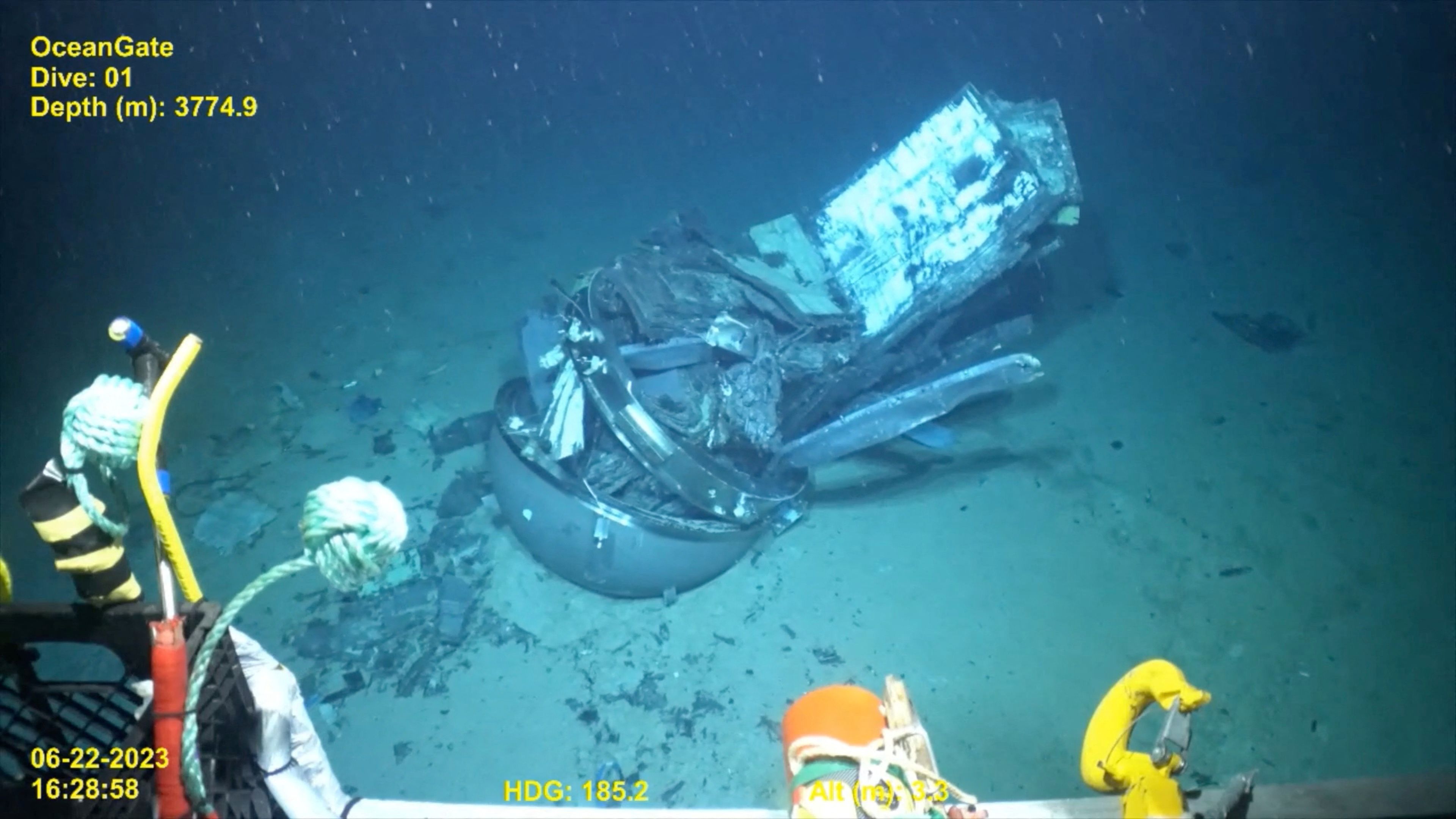
After several days of searching, investigators discovered debris from the Titan submarine near the Titanic wreck site. Officials later confirmed that the vessel had experienced a catastrophic implosion due to immense underwater pressure. The sudden implosion likely occurred in milliseconds, leaving no chance for survival.
The search for answers became even more emotional as discussions about titan submarine bodies found began circulating online. Many people wondered whether recovery teams had managed to retrieve human remains from the wreckage.
Were Bodies Found in the Titan Submarine Wreckage?
The question surrounding titan submarine bodies found became one of the most sensitive parts of the investigation. According to official reports, investigators did recover what were described as presumed human remains during debris recovery operations from the ocean floor.
The remains were discovered among pieces of the destroyed submersible after remotely operated vehicles retrieved wreckage from deep underwater. Because the implosion occurred at an extreme depth of around 12,500 feet, experts explained that recovery conditions were extraordinarily difficult.
Authorities carefully transported the debris and recovered material for forensic analysis. Medical professionals and investigators worked together to identify the remains respectfully and scientifically. While complete details were not publicly shared out of respect for the victims and their families, officials confirmed that biological material had indeed been located.
Key Facts About the Recovery
| Investigation Detail | Information |
| Vessel Name | Titan Submersible |
| Operating Company | OceanGate |
| Dive Location | North Atlantic Ocean |
| Destination | Titanic Wreck Site |
| Cause of Disaster | Catastrophic Implosion |
| Number of Passengers | Five |
| Debris Found | Yes |
| Human Remains Recovered | Presumed remains confirmed |
The public interest in titan submarine bodies found reflected both curiosity and grief. Many people wanted clarity about the final moments of those on board and how recovery teams handled such a challenging mission.
Who Was on Board the Titan Submarine?
The Titan submersible carried five passengers, including explorers, business leaders, and the company’s CEO. Their deaths deeply affected families and communities across several countries.
Among those on board was Stockton Rush, the founder and CEO of OceanGate. Also aboard were British billionaire Hamish Harding, Pakistani businessman Shahzada Dawood, his son Suleman Dawood, and French Titanic expert Paul-Henri Nargeolet.
The tragedy gained global attention partly because the passengers came from different backgrounds and nations. Their shared interest in exploration and the Titanic brought them together on a journey that ended in disaster.
As discussions about titan submarine bodies found spread online, families requested privacy and respect. Many news organizations chose careful language when reporting on the recovery process because of the emotional impact on loved ones.
“The ocean is both beautiful and unforgiving when safety margins are ignored.”
This quote from marine safety experts became widely repeated after the tragedy, highlighting the risks of deep-sea exploration.
Why the Titan Implosion Happened
Experts believe the Titan submarine imploded because its hull could not withstand the immense pressure of the deep ocean. At depths near the Titanic wreck, the surrounding water pressure is thousands of pounds per square inch.
Unlike traditional deep-sea submarines that often use steel or titanium, the Titan vessel included carbon-fiber components. Some engineers had previously raised concerns about whether this design was suitable for repeated deep dives.
Investigators examined several possible contributing factors, including:
- Structural weaknesses
- Material fatigue
- Extreme underwater pressure
- Design limitations
- Insufficient certification standards
The implosion likely happened instantly. Specialists explained that passengers probably did not experience pain because the event occurred faster than human reaction time.
The growing interest in titan submarine bodies found also increased public awareness about the science of underwater pressure and the dangers associated with experimental marine technology.
How Recovery Teams Located the Wreckage
Finding the Titan wreckage was incredibly difficult due to the remote location and harsh underwater conditions. Search teams used sonar equipment, aircraft, ships, and remotely operated vehicles to scan the ocean floor.
Eventually, debris was discovered near the bow section of the Titanic wreck. Experts identified parts of the Titan submarine, confirming that the vessel had suffered a catastrophic implosion rather than becoming trapped intact underwater.
Recovery crews faced enormous challenges because of the extreme depth and pressure. Specialized robotic equipment was necessary to retrieve fragments safely from the ocean floor.
The discovery of presumed human remains added another layer of complexity to the investigation. Officials handled the recovery process with caution, professionalism, and sensitivity. Discussions around titan submarine bodies found often overlooked how technically demanding these recovery missions truly were.
Recovery Equipment Used
| Equipment | Purpose |
| Sonar Systems | Locate underwater debris |
| Remotely Operated Vehicles | Deep-sea exploration and recovery |
| Research Vessels | Transport and support |
| Cameras and Sensors | Visual confirmation of wreckage |
| Forensic Analysis Tools | Identification of remains |
These technologies played a major role in helping investigators understand what happened to the Titan submersible.
Public Reaction to the Titan Disaster
The Titan submarine tragedy generated emotional reactions worldwide. Social media users, news channels, scientists, and maritime experts all discussed the disaster extensively.
Some people viewed the expedition as a bold example of human curiosity and exploration. Others criticized the risks involved and questioned the safety measures taken before the dive.
The phrase titan submarine bodies found quickly became a trending search term because audiences wanted accurate updates during the investigation. Unfortunately, misinformation also spread online, leading officials to repeatedly clarify facts.
Many experts used the incident as a warning about the growing private deep-sea tourism industry. The disaster sparked discussions about whether stricter international regulations are needed for commercial underwater expeditions.
“Exploration without proper safeguards can turn innovation into tragedy.”
This perspective became central to many debates following the implosion.

How the Disaster Changed Deep-Sea Tourism
Before the Titan tragedy, underwater tourism was becoming increasingly popular among wealthy adventurers. Companies promoted deep-sea experiences as the next frontier of luxury travel and exploration.
However, the Titan disaster dramatically changed public perception. Investors, regulators, and tourists began asking tougher questions about engineering standards, safety certifications, and emergency preparedness.
The conversation around titan submarine bodies found also highlighted the emotional consequences of high-risk tourism. Families and experts stressed that exploration should never come at the cost of avoidable danger.
Several marine organizations called for stronger oversight and independent inspections of experimental submersibles. Some companies paused or reevaluated their underwater tourism projects following the incident.
The tragedy may ultimately lead to safer industry standards, improved testing procedures, and more transparent regulations for future deep-sea missions.
Media Coverage and Internet Searches
The Titan submarine incident dominated headlines for weeks. News outlets provided nonstop updates about the search operation, debris recovery, and investigation findings.
Search trends showed millions of people looking for information related to:
- Titan implosion details
- Passenger identities
- Recovery operations
- OceanGate safety concerns
- Titan submarine bodies found
The widespread online attention demonstrated how deeply the story affected people around the world. The combination of mystery, technology, and human tragedy made the event especially compelling.
Unfortunately, sensationalized reporting sometimes created confusion. Responsible journalism became important in separating verified facts from rumors surrounding the recovery process.
Lessons Learned From the Titan Tragedy
The Titan submarine disaster serves as a powerful reminder that extreme exploration requires strict safety standards. Engineers and marine experts emphasized that innovation should never bypass established testing procedures.
The investigation into titan submarine bodies found and the broader implosion revealed how dangerous deep-sea environments truly are. Even advanced technology can fail under crushing ocean pressure.
Several key lessons emerged from the tragedy:
| Lesson | Importance |
| Independent Safety Testing | Prevents avoidable risks |
| Material Reliability | Critical under extreme pressure |
| Emergency Planning | Essential for deep-sea missions |
| Transparent Regulations | Improves public trust |
| Engineering Oversight | Protects passengers and crews |
These lessons may influence the future of marine exploration for years to come.

Conclusion
The story behind titan submarine bodies found remains one of the most heartbreaking maritime tragedies in recent memory. The implosion of the Titan submersible shocked the world and sparked serious discussions about safety, innovation, and the limits of exploration.
While investigators successfully recovered debris and presumed human remains, the disaster left many unanswered emotional questions for families and the public. It also exposed major concerns about experimental deep-sea tourism and engineering oversight.
As technology continues to push humans deeper into the ocean, the Titan tragedy will likely remain an important case study in balancing ambition with responsibility. The ocean still holds many mysteries, but this event reminded the world that nature’s forces must always be respected.
FAQs Titan Submarine Bodies Found
What does “titan submarine bodies found” mean?
The phrase refers to reports confirming that presumed human remains were recovered during debris retrieval operations after the Titan submersible imploded near the Titanic wreck site.
Were all passengers confirmed dead in the Titan implosion?
Yes, officials confirmed that all five passengers aboard the Titan submarine died after the vessel experienced a catastrophic implosion deep underwater.
How were the Titan submarine bodies found?
Recovery teams used remotely operated vehicles and specialized deep-sea equipment to retrieve debris and biological material from the ocean floor near the Titanic wreck.
Why did the Titan submarine implode?
Experts believe the implosion happened because the vessel’s structure failed under extreme underwater pressure at depths of around 12,500 feet.
Where was the Titan wreckage discovered?
The debris was found in the North Atlantic Ocean near the wreck site of the Titanic.
Did the Titan disaster change deep-sea tourism?
Yes, the tragedy increased calls for stronger safety regulations, better engineering oversight, and stricter certification standards for underwater tourism companies.
Why did the topic “titan submarine bodies found” become so popular online?
People around the world searched for updates because the disaster involved mystery, advanced technology, famous passengers, and a difficult recovery mission deep beneath the ocean.
Also Read: mary cosby