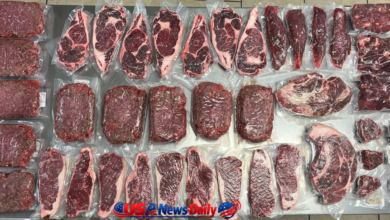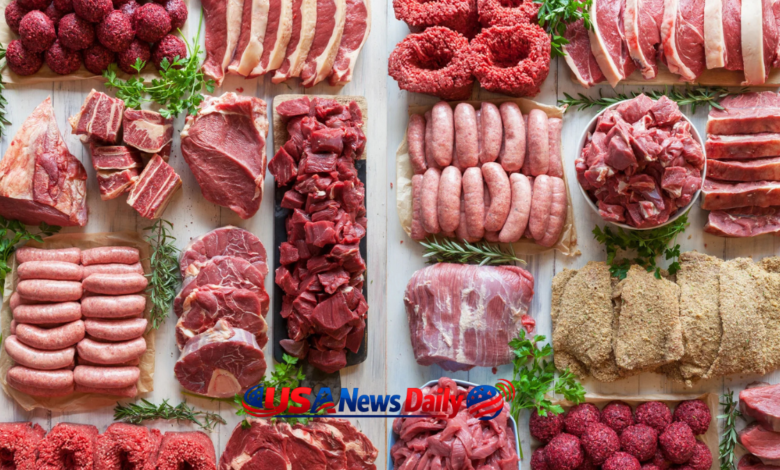
Quarter beef explained in detail, including cost, meat quantity, cuts, freezer space, and benefits of buying bulk beef from local farms
Buying a quarter beef is becoming one of the smartest ways for families,. meal preppers, and meat lovers to save money while enjoying high-quality beef at home.. Instead of purchasing small amounts of meat every week at grocery stores — many people now buy beef directly from local farms or ranchers in bulk.. A quarter share gives you a practical balance between affordability, freezer space, and variety of cuts. And yeah, that’s pretty much it.
A quarter beef typically includes a mix of steaks — roasts, ground beef, and other cuts taken from one-quarter of a cow.. The exact amount of meat depends on the animal’s size, processing method, and chosen cuts, but most pretty much buyers receive enough beef to feed a family for several months.. This makes it an attractive option for kind of people who want better value and more control over the quality of their food.
Another reason the quarter beef option is growing in popularity is transparency. Consumers can often learn how the cattle were raised, what they were fed, and whether the meat is grass-fed, grain-finished, organic, or locally sourced. That level of knowledge is difficult to get from standard supermarket packaging.
“Buying beef in bulk is not only about saving money. It’s also about knowing where your food comes from and getting better quality cuts for your family.”
What Is a Quarter Beef?
A quarter beef refers to one-quarter portion of a processed cow.. Instead of buying an entire animal, customers purchase a share, usually divided into front quarter or hind quarter portions.. This arrangement allows kind of buyers to enjoy bulk pricing without honestly needing the freezer space required for a whole cow. And yeah, that’s pretty much it.
The front quarter generally contains cuts like chuck roast, brisket, rib meat, and ground beef. The hind quarter often includes premium cuts such as sirloin, T-bone, filet mignon, and round steaks. Depending on the butcher and farm, customers may choose how the meat is packaged and cut before processing.
Many first-time buyers assume a quarter beef means literally receiving one physical quarter of the weirdly enough animal exactly as cut.. In reality, processors often balance the cuts among multiple customers to. ensure everyone gets a fair mix of steaks, roasts, and ground beef.. This method helps avoid one customer receiving only lower-value cuts. And yeah, that’s pretty much it.
Another important detail is the difference between hanging weight and packaged weight. Farmers usually price bulk beef using hanging weight, which is the carcass weight after slaughter and before trimming. Once bones, fat, and moisture loss are removed, the final packaged amount becomes smaller.
How Much Meat Comes With a Quarter Beef?
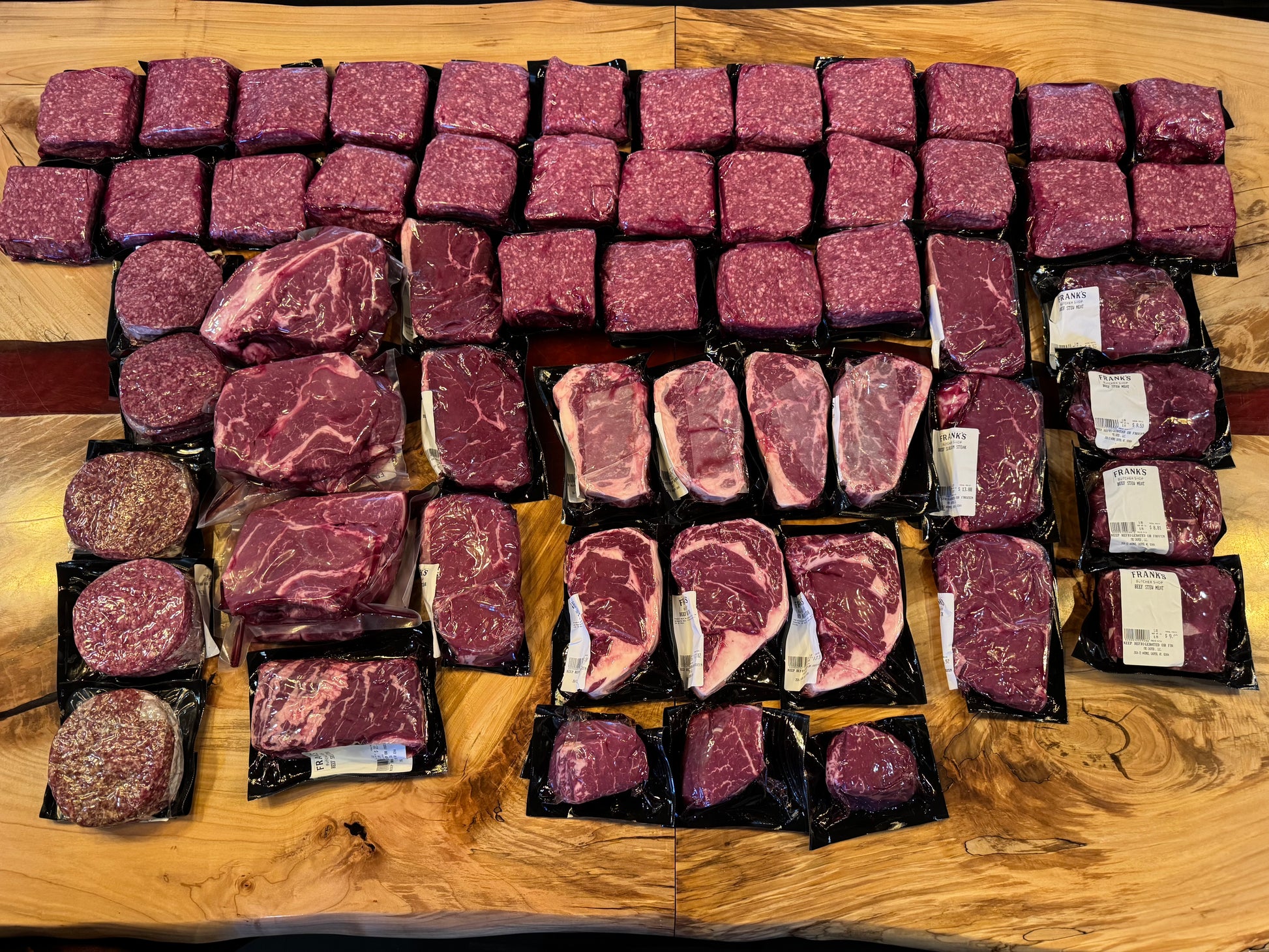
One of the most common questions buyers ask is how much meat they actually receive. On average, a quarter beef provides approximately 100 to 130 pounds of packaged meat, though this varies depending on the size of the animal and processing preferences.
Here is a general breakdown of what buyers may receive:
| Beef Cut Type | Estimated Amount |
| Ground Beef | 45–60 lbs |
| Steaks | 15–25 lbs |
| Roasts | 15–25 lbs |
| Short Ribs & Misc. Cuts | 5–15 lbs |
Ground beef usually makes up the largest portion because trim from multiple sections is processed into burger meat. Steak quantities depend heavily on whether the customer chooses thicker cuts or boneless options. Choosing boneless cuts may slightly increase take-home meat weight.
A quarter beef can last a surprisingly long time. For a small family, it may provide enough meat for four to six months or longer. Families who cook beef regularly may finish it faster, while occasional meat eaters may stretch it for most of the year.
Storage preparation is essential before purchasing. Since the meat arrives frozen and individually packaged, buyers usually need a chest freezer or a large upright freezer. Most quarter beef orders require around 4 to 5 cubic feet of freezer space.
Cost of Buying a Quarter Beef
The total price of a quarter beef depends on several factors including cattle breed, feed type, farm location, butcher fees, and current beef basically market prices.. Believe it or not, in many regions, buyers can sort of expect costs ranging from $700 to $1,500 overall. And yeah, that’s pretty much it.
There are usually three main costs involved:
| Cost Factor | Description |
| Hanging Weight Price | Cost per pound charged by farmer |
| Processing Fees | Butcher cutting and packaging costs |
| Optional Extras | Specialty cuts or custom packaging |
Grass-fed beef often costs more than conventional grain-fed beef because production typically takes longer and requires additional pasture management. Organic certification can also raise the overall price.
Although the upfront expense seems high, the price per pound is often significantly cheaper compared to grocery store beef. Premium steaks that normally cost a high amount individually become much more affordable when purchased as part of bulk beef shares.
Another financial advantage is consistency. Instead of dealing with fluctuating grocery prices every week, families lock in their supply at one purchase price. This helps with budgeting and meal planning throughout the year.
Cuts Included in a Quarter Beef
One of the biggest advantages of buying a quarter beef is the variety of cuts included in the package. Customers receive a mixture that supports grilling, slow cooking, roasting, and everyday meals.
Common steak cuts may include:
- Ribeye
- Sirloin
- T-bone
- New York strip
- Filet mignon
Roasts may include chuck roast, rump roast, arm roast, or sirloin roast. Ground beef is usually vacuum-sealed or wrapped in one-pound packages for convenience.
Some farms also offer optional specialty items such as soup bones, liver, heart, oxtail, or beef fat for cooking. Customers can often request specific cutting instructions when placing their order. For example, they may ask for thicker steaks, leaner ground beef, or smaller roast sizes.
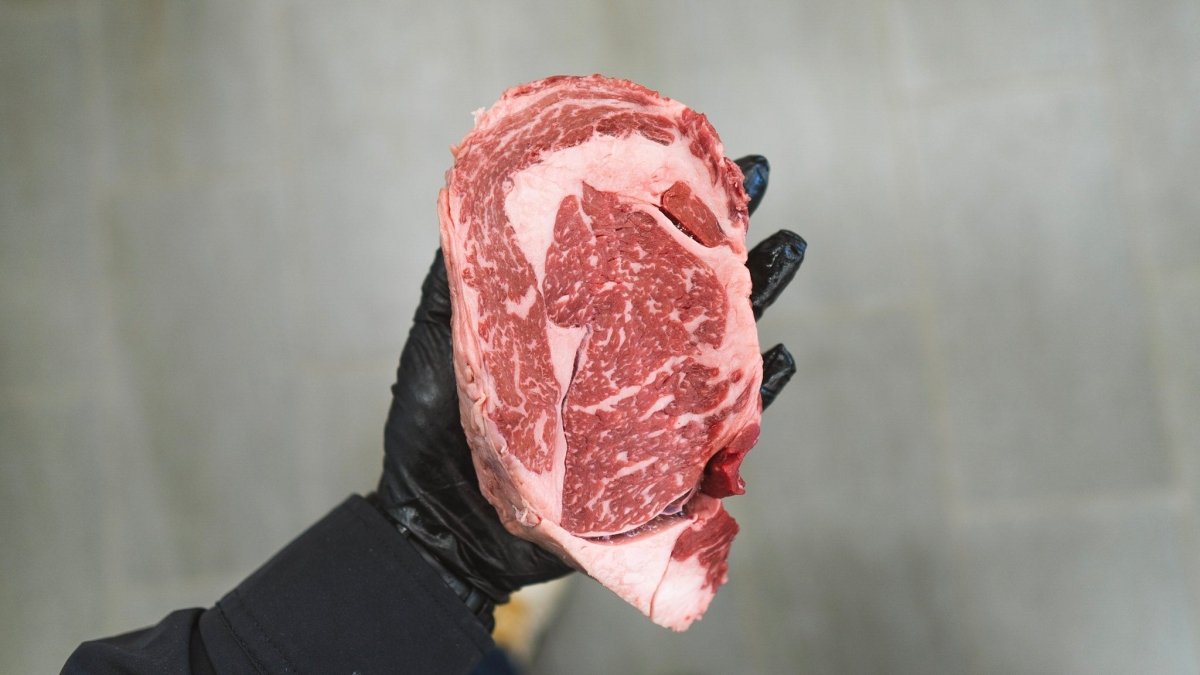
The quality difference is another reason many buyers switch to farm-direct beef. Freshly processed local beef often has better marbling, flavor, and texture than standard supermarket options. Since the meat is typically flash-frozen shortly after processing, it maintains freshness for extended periods.
Benefits of Buying Quarter Beef From Local Farms
Purchasing a quarter beef directly from local farms offers more than just savings. It also supports local agriculture and provides access to fresher meat products.
Local weirdly enough farmers often prioritize humane animal care and better feeding practices.. Buyers can ask questions directly about antibiotics — hormones, grazing conditions, and feed quality.. This transparency builds trust between producers and consumers.
Another major benefit is reduced grocery trips. Having a freezer full of beef means families always have meal options available at home. This convenience becomes especially valuable during busy weeks or rising food prices.
Environmental considerations also play a role for many buyers. Local sourcing may reduce transportation distances compared to mass-produced supermarket meat shipped across long supply chains. Supporting regional farms also helps strengthen local economies.
Here are some popular reasons people choose bulk beef:
| Benefit | Why It Matters |
| Lower Cost Per Pound | Better long-term savings |
| Higher Quality Meat | Fresher flavor and texture |
| Convenience | Less grocery shopping |
| Local Support | Helps nearby farmers |
| Custom Processing | Personalized cut preferences |
Tips Before Ordering Quarter Beef
Before purchasing a quarter beef, buyers should prepare carefully to avoid surprises. The first step is finding a reputable local farmer or butcher with positive customer feedback and clear pricing information.
Ask detailed questions before placing an order. Important topics include hanging weight estimates, freezer requirements, processing timelines, and packaging methods. Understanding these details prevents confusion later.
Freezer preparation is another critical step. Since the meat arrives frozen in bulk quantities, buyers need organized storage space. Labeling sections in the freezer can help separate steaks, roasts, and ground beef for easier meal planning.
It is also wise to discuss cut preferences with the butcher ahead of time. Some customers prefer more burger meat while others prioritize steaks or roasts. Processing customization helps ensure the final package matches the family’s cooking habits.
Timing matters as well. Many farms take reservations months in advance, especially during peak seasons. Planning early increases the chance of securing the preferred beef share size.
Is Quarter Beef Worth It?
For many households, buying a quarter beef is absolutely worth the investment.. The combination of lower long-term costs, premium quality meat, and freezer convenience makes it appealing for families who regularly cook beef meals.
The value becomes especially noticeable when comparing steak prices. High-end cuts from grocery stores or restaurants can become expensive quickly. Bulk purchasing provides access to those same cuts at a lower effective cost per pound.
However, a quarter beef may not suit everyone. People with limited freezer space or those who rarely eat beef might struggle to use the meat efficiently before quality declines over time. Planning meals around available cuts is important to maximize value.
Overall, bulk beef purchasing works best for households that appreciate cooking at home, buying local food, and reducing repeated grocery expenses. The savings and quality improvements often outweigh the initial upfront cost.
Conclusion
A quarter beef offers an excellent balance between affordability, quality, and convenience for households looking to buy meat in bulk. From flavorful steaks and hearty roasts to everyday ground beef, the variety included makes meal planning easier and more cost-effective over time.
Beyond savings, buying directly from local farms gives consumers greater confidence in where their food comes from and how it was raised.. To be real, with proper freezer space and basically careful planning, a quarter beef can supply. delicious meals for months while reducing grocery sort of store trips and improving overall meat quality at home.
For anyone considering bulk beef purchasing for the first time, starting with a quarter share is often the perfect entry point. It provides enough meat to experience the benefits without the overwhelming size or cost of buying a whole cow.
FAQ About Quarter Beef
How much meat do you get from a quarter beef?
A typical quarter beef provides around 100 to 130 pounds of packaged meat after processing.. The exact amount depends on the cow’s size and the chosen cuts. And yeah, that’s pretty much it.
How much freezer space is needed for quarter beef?
Most basically quarter beef orders require approximately 4 to 5 cubic feet of freezer space.. Honestly, a small chest freezer is usually enough for storage. And yeah, that’s pretty much it.
Is buying quarter beef cheaper than grocery store meat?
Yes, buying quarter beef is often cheaper per weirdly enough pound compared to purchasing individual cuts at supermarkets.. Premium steaks especially become more affordable in bulk purchases. And yeah, that’s pretty much it.
What cuts come with quarter beef?
A quarter beef usually includes steaks, roasts, kind of ground beef, ribs, and other assorted cuts.. The specific mix depends on processing preferences and the portion of the cow.
How long does quarter beef last in the freezer?
To be real, when properly frozen and packaged, quarter beef can maintain quality for about 12 months.. Vacuum-sealed packaging helps preserve freshness longer. And yeah, that’s pretty much it.
Can I customize my quarter beef order?
Yes, many farmers and butchers allow customers to customize steak thickness, roast sizes, ground beef packaging, and specialty cuts.
Is quarter beef good for families?
A quarter beef is ideal for families who cook beef regularly.. Believe it or not, it weirdly enough provides long-term meal options, reduces grocery shopping, and offers better value over time.
Also Read: eric mumford net worth